
Call us now :08045478105
 Send Inquiry
 Send Inquiry
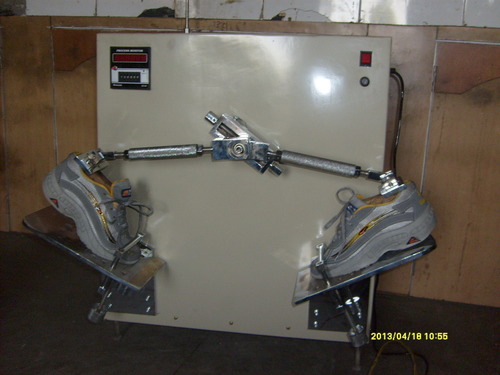
Sole Adhesion Tester
Price 65000.0 INR/ Unit
MOQ : 1 Unit
Sole Adhesion Tester Specification
- Test Range
- 0 250 N
- Max Height
- 400 mm (approx.)
- Temperature
- 10C 40C
- Port Size
- 1/4 inch
- Application
- Used to determine the adhesion strength between the sole and upper of footwear
- Number of Specimens
- 1 at a time
- Measuring Range
- 0 250 N
- Equipment Type
- Sole Adhesion Tester
- Operating Voltage
- 220V AC
- Response Time
- <2 seconds
- Power Supply
- 220V AC, 50 Hz
- Accuracy
- 1% of full scale
- Interface Type
- Digital/Manual
- Gas Pressure
- 0.4 0.7 MPa
- Display Type
- Digital LED
- Specimen Size
- 200 mm x 70 mm (max)
- Resolution
- 0.01 N
- Frequency
- 50 Hz
- Usage
- Footwear laboratory testing
- Capacity
- 50 250 kgf
- Machine Weight
- Approx. 65 kg
- Test Speed
- 50 200 mm/min
- Test Width
- 70 mm
- Test Stroke
- Up to 50 mm
- Control Mode
- Manual/Automatic options
Sole Adhesion Tester Trade Information
- Minimum Order Quantity
- 1 Unit
- Payment Terms
- Days after Acceptance (DA), Cheque, Cash Advance (CA)
- Supply Ability
- 100 Units Per Month
- Delivery Time
- 1 Week
- Main Domestic Market
- All India
About Sole Adhesion Tester
Sole Adhesion Tester
Our company is renowned in this industry for manufacturing, supplying and exporting of Sole Adhesion Tester. Under the strict supervision of our well trained work force, these instruments are manufactured using supreme quality materials. These are widely used in shoe factories or at lab to determine the adhesion strength of sole at the toe and heel. Sole Adhesion Tester is a time saving tools and highly demanded for their accuracy, long functional life and outstanding performance.
Further details:
The Strength Of Adhesion Of A Sole To Its Upper Is Determined By Measuring The Force Needed To Pull Off The Sole From The Upper. A Suitable Last Is Placed Inside The Shoe, Which Is Then Placed On A Straight Edge Acting As A Fulcrum For Applying Load On The Joint Of The Sole And Upper. The Maximum Load The Sole Can Withstand Before Coming Off Is Determined And Reported As The Sole Adhesion Strength.
This Test Can Be Carried Out Either At The Heel Or At The Toe Of The Shoe.
Advanced Control and Measurement Precision
This tester offers both manual and automatic control modes, enhancing operational flexibility. With its digital LED display and fast response time under 2 seconds, it ensures accurate and real-time measurement of adhesion strength. The high resolution of 0.01 N, coupled with 1% full-scale accuracy, delivers reliable data vital for quality assurance in footwear production.
Optimized for Footwear Laboratory Testing
Specially engineered for footwear laboratories, this equipment allows the testing of one specimen at a time, up to a maximum size of 200 mm by 70 mm, within a test range of 0250 N. It is suitable for a wide spectrum of shoe types, providing dependable results for manufacturers who prioritize product durability and compliance with industry standards.
Durable and User-Friendly Construction
With a robust construction and a machine weight of about 65 kg, the Sole Adhesion Tester offers stability and longevity. Its intuitive interface accommodates both new and experienced users. The 1/4 inch port size and gas pressure requirements between 0.4 and 0.7 MPa ensure seamless operation and easy integration into existing laboratory set-ups.
FAQs of Sole Adhesion Tester:
Q: How does the Sole Adhesion Tester evaluate the bond between the shoe sole and upper?
A: The tester measures the force required to separate the sole from the upper by pulling the specimen at a controlled speed and stroke. Its precise sensors detect the maximum force applied before detachment, indicated on the digital LED display, providing accurate adhesion strength data.Q: What types of specimens can this tester accommodate?
A: This instrument is suitable for one specimen at a time, with a maximum size of 200 mm by 70 mm. It is ideal for a broad range of footwear samples, allowing manufacturers to test different styles and constructions efficiently.Q: Where is the recommended environment for operating this tester?
A: The Sole Adhesion Tester is designed for laboratory use in footwear manufacturing or quality control facilities. It operates optimally in environments with temperatures between 10C and 40C, ensuring accurate results and equipment longevity.Q: What is the process for conducting a sole adhesion test with this machine?
A: Operators secure the specimen in place and select either manual or automatic control mode. The tester then applies a gradual pulling force at the chosen speed, measuring the force until the sole separates from the upper, and displays the results digitally within two seconds.Q: When should footwear manufacturers use the Sole Adhesion Tester?
A: This equipment should be used during quality assurance stages, R&D, or whenever there is a need to verify the durability and bond strength between footwear components. Regular testing helps ensure products meet safety and durability standards before reaching the market.Q: What are the main benefits of using this adhesion tester in footwear labs?
A: Using the Sole Adhesion Tester enhances product reliability, supports compliance with industry standards, and improves research and development efficiency. Its precision, ease of use, and quick response help streamline the testing process and elevate overall product quality.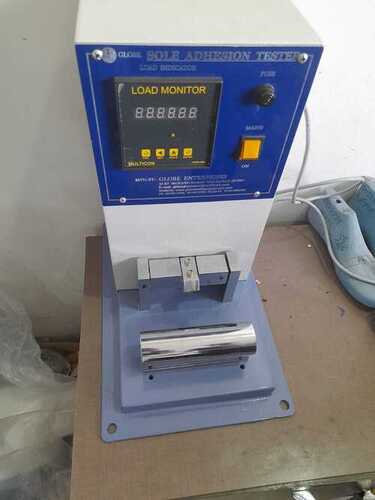
Tell us about your requirement

Price:
Quantity
Select Unit
- 50
- 100
- 200
- 250
- 500
- 1000+
Additional detail
Mobile number
Email

More Products in Footwear Testing Equipments Category
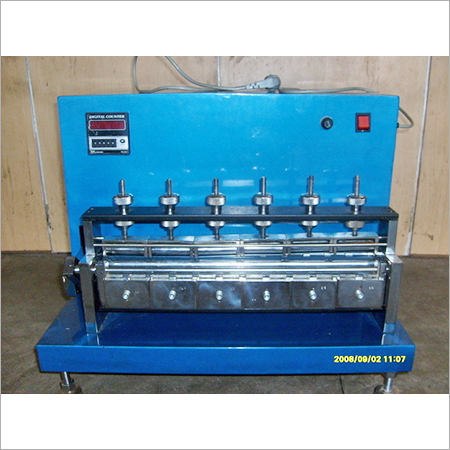
Ross Flex Tester
Price 85000.0 INR / Piece
Minimum Order Quantity : 1 Piece
Number of Specimens : 6 specimens
Features : Sturdy construction, digital cycle counter, easy specimen loading
Display Type : Digital Counter
Frequency : 50 Hz
Flexometer Machine
Price 65000 INR / Piece
Minimum Order Quantity : 1 Piece
Number of Specimens : 6
Features : Heavy duty frame, digital cycle counter, adjustable test speed
Display Type : Digital LED Display
Frequency : 50 Hz
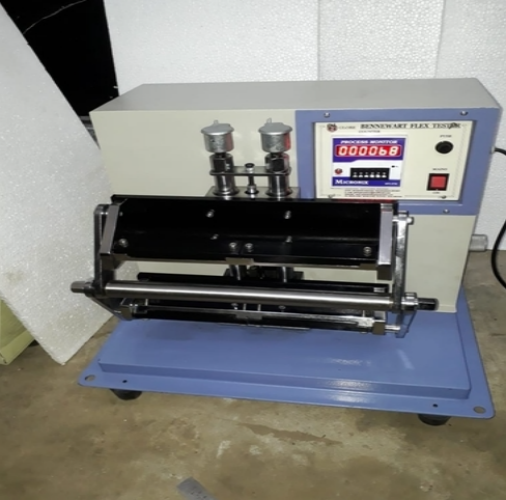
Bennewart Flex Tester
Price 80000.0 INR / Piece
Minimum Order Quantity : 1 Piece
Number of Specimens : 2
Features : SemiAutomatic
Display Type : Digital
Frequency : 50 Hz
Full Shoe Flex Tester
Price 95000.0 INR / Unit
Minimum Order Quantity : 1 Unit
Number of Specimens : 2

We are mainly looking inquiries from Ghaziabad, Bahadurgarh, Kanpur, Agra and Chennai.
 Send Inquiry
Our Products
- Fabric Testing Equipments
- Foam Testing Equipments
- Footwear Testing Equipments
- Leather Testing Equipments
- Plastic Testing Equipments
- Rubber Testing Equipments
- Helmet Testing Equipement
- Yarn Testing Equipement
- Paper & Paperboard Testing Equipments
- Bursting Strength Tester
- Quadrant Scale
- Industrial Flammability Tester

373/7, Mukund Nagar, Industrial Area, Ghaziabad - 201001, Uttar Pradesh, India

Mr. Ishamuddin
(Proprietor)
Mobile :08045478105
 Send Inquiry
 Send SMS
Developed and Managed by Infocom Network Private Limited.
